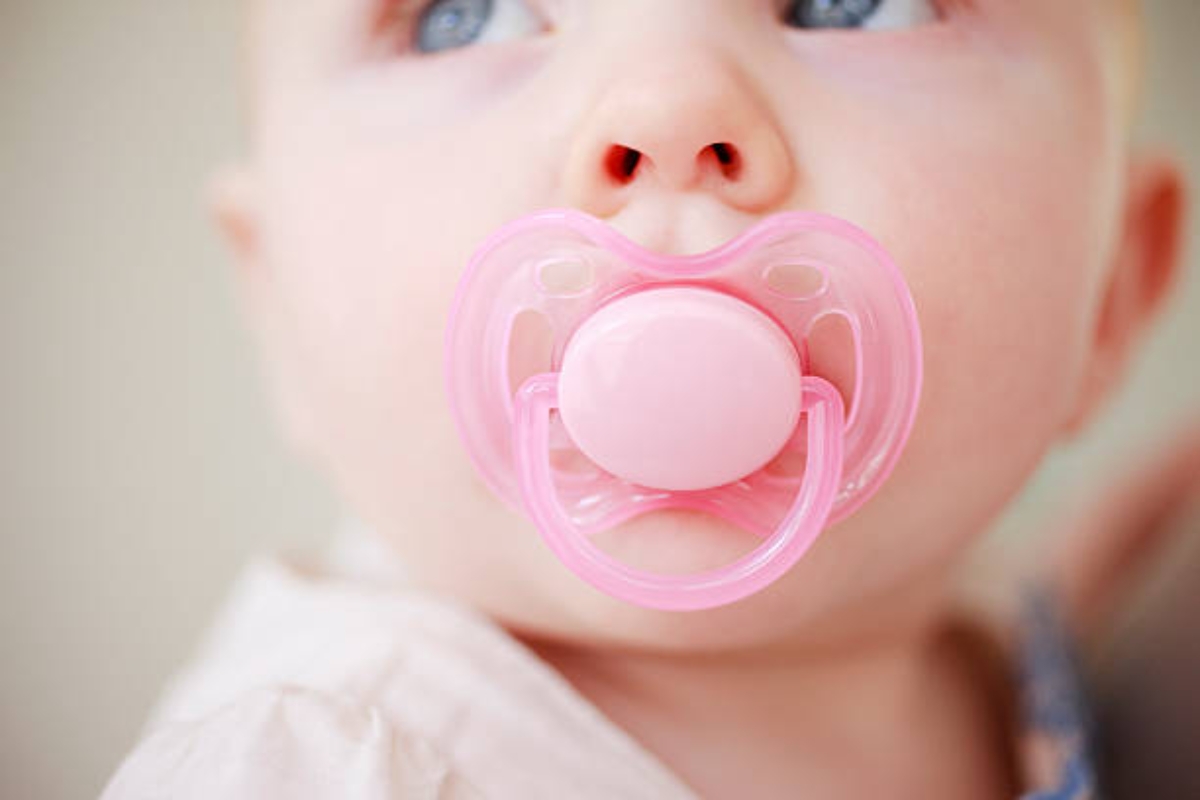
Many babies and toddlers suck their thumbs or use pacifiers to feel safe and calm. These habits are normal at a young age. But if they go on for too long, they can change how the teeth grow. A trusted dentist can help parents know when and how to guide their child to stop. If you’re thinking about pediatric dentistry in Irving, TX, it’s good to learn how these habits affect baby teeth and what you can do to support healthy growth.
Why Do Children Suck Their Thumbs or Use Pacifiers?
Babies are born with a natural need to suck. It helps them feel comforted, especially when they are tired, scared, or bored. Many children stop on their own by age 2 to 4. But if the habit continues after baby teeth come in, it may cause problems. Long-term sucking can change how the teeth line up or how the roof of the mouth forms.
When Should You Start Helping Your Child Stop?
It might be time to help your child quit using a pacifier or sucking their thumb if they are older than three. The earlier the habit ends, the easier it is to avoid changes in baby teeth alignment. A dentist can check your child’s teeth and suggest simple ways to guide them. Early support can prevent the need for braces or other treatments later.
How Can You Help Your Child Break the Habit?
Here are some gentle ways to help:
- Praise your child when they don’t suck their thumb
- Offer a toy or blanket for comfort instead
- Use a sticker chart or small rewards
- Keep their hands busy with play or crafts
- Avoid scolding or pressure
If your child is older and still struggling, ask about oral habit correction tools. These are safe and made to help quit thumb sucking without pain.
What If Your Child Uses a Pacifier?
Pacifiers are easier to manage than thumb sucking because you can remove them or limit their use. Try to reduce pacifier time slowly. Start with naps, then bedtime, and finally remove it completely. An Irving dentist can also guide you on how to help kids break pacifier habits gently and safely. If your child resists, offer comfort in other ways, like cuddles, music, or a favorite toy. A dentist can also give tips to stop thumb sucking in toddlers to make the transition easier for your child.
Can These Habits Affect Baby Teeth?
Yes. Long-term sucking can push the front teeth forward or cause an open bite. It may also affect speech or how the jaw grows. These changes can make eating or talking harder. Regular visits for early childhood dental care help catch problems early. A dentist will check for signs of changes and guide you on what to do next.
Where Can You Get Help With Oral Habits?
If you’re looking for a dental office nearby, choose one that understands children’s needs. A caring team can provide your child with comfort and explanations. They can also track your child’s progress and offer support at every step.
Want To Support Your Child’s Smile From The Start?
Healthy habits begin early. Encouraging your child to give up using a pacifier or thumb sucking can protect their teeth and promote healthy development. Visit Pearl Dental Studio to learn how our team supports families with gentle care and clear steps for healthy smiles. We’re here to help your child feel safe and confident on every visit. Book your appointment today.
FAQs
What can happen if my child keeps sucking their thumb for too long?
It can change how their teeth grow and may cause problems with chewing or speaking.
How do I help my toddler stop thumb sucking?
Use praise, rewards, and comfort items. Keep their hands busy and avoid pressure or scolding.
Can pacifiers harm baby teeth?
Yes, if used for too long. Pacifiers can affect how teeth grow and may lead to bite problems.
When should I talk to a dentist about thumb sucking?
It’s a good idea to seek assistance if your child is older than three and continues to use a pacifier or suck their thumb frequently.